
Qualified Opportunity Fund guidance and current QOF opportunities
Turn a Capital Gain Into a Qualified Opportunity Zone Strategy.
Speak with specialists who understand Qualified Opportunity Funds, the 2026–2027 transition, project and sponsor diligence, and the questions that matter before capital moves.
Start with the reason you are here
A QOZ conversation should begin with your gain and your decision.
Some investors have already sold stock, a business, real estate, or another appreciated asset. Some are comparing funds before a planned sale. Others need to understand what changes after 2026. The useful first step is not a generic tax pitch. It is a direct conversation about the gain event, timing, capital, available QOFs, project quality, liquidity, and the outcome the investor wants.
Current Qualified Opportunity Fund opportunities
See funds and projects that fit the actual investment decision.
Current availability changes. The specialist conversation helps narrow QOF opportunities using the investor facts that determine whether a fund belongs on the list at all.
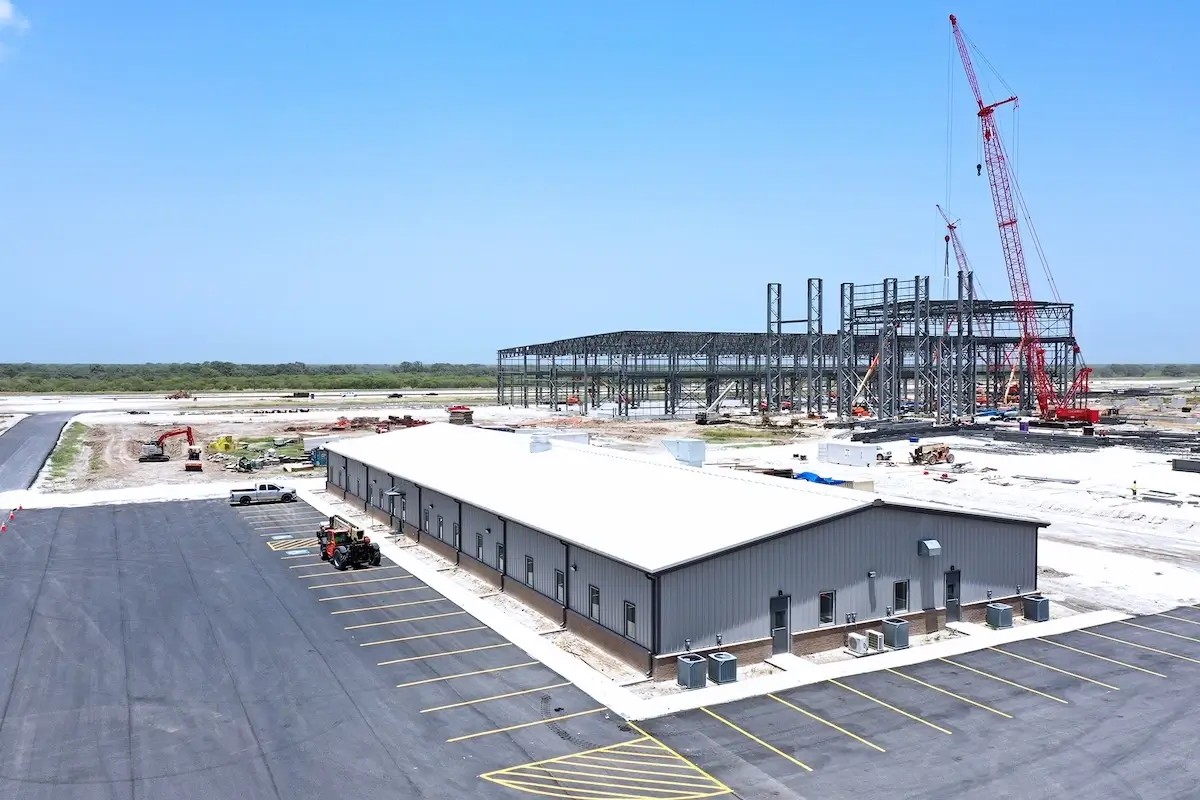
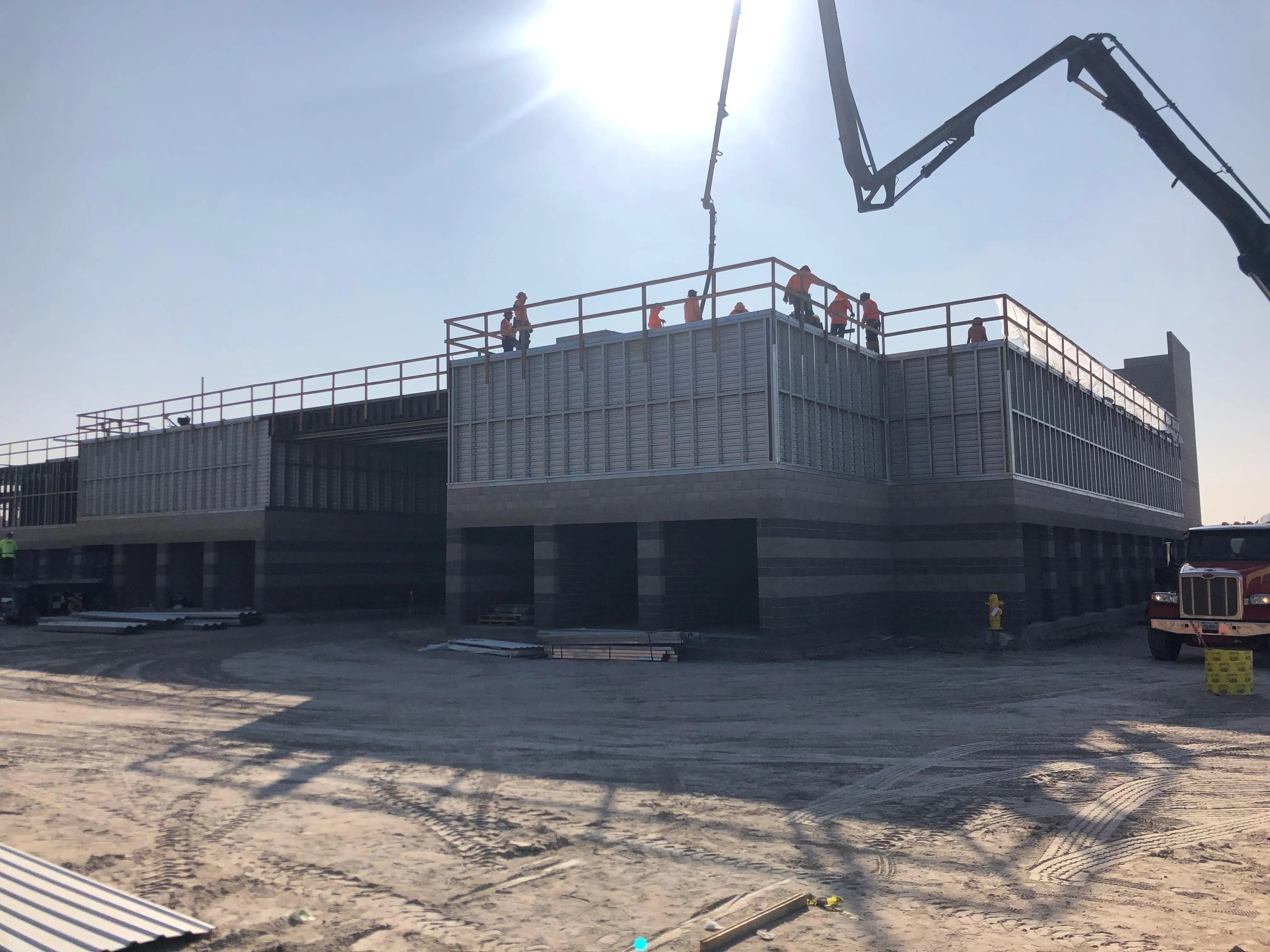
Qualified Opportunity Zone investments are not one asset class.
Different property and business plans create different operating, construction, financing, compliance, and exit risks. Compare the underlying investment before assigning value to the tax structure.


Eligible gain and timing
Identify the gain event, taxpayer, recognition date, amount, investment window, and which statutory framework may apply.
Fund and sponsor
Review experience, governance, affiliated parties, fees, conflicts, reporting, capital structure, and QOF compliance responsibilities.
Project economics
Test demand, budget, construction or improvement work, financing, operations, reserves, cash flow, and exit without relying on the tax feature to rescue the project.
Investor fit
Place the expected hold, illiquidity, private-placement risk, concentration, income variability, and loss capacity beside the investor’s broader plan.
A QOF is a long-term investment, not a tax form
Put the project through a real investment review.
A zone designation does not create demand, complete construction, control costs, produce distributions, or guarantee an exit. The QOF and the underlying project have to work on their own facts.
- Verify exact tract and designation period
- Read the current offering and governing documents
- Reconcile fees, debt, reserves, and projected cash flow
- Stress construction, leasing, refinance, and exit delays
- Plan for an illiquid hold without depending on a distribution
Compare the paths against the same gain event.
These strategies solve different problems. The right comparison uses the same taxpayer, asset sold, gain, cash, control needs, risk tolerance, and timeline.
| Decision | Qualified Opportunity Fund | 1031 Exchange | Taxable Reinvestment |
|---|---|---|---|
| Starting asset | Eligible capital or qualified Section 1231 gain may be considered. | Generally begins with qualifying investment or business real property. | Sale proceeds can be reinvested without a deferral election. |
| Capital placed | The eligible-gain amount is central; other cash may have different treatment. | Equity and debt replacement often affect full-deferral planning. | The investor decides how much after-tax capital to reinvest. |
| Ownership | Interest in a QOF investing in qualifying zone property or businesses. | Direct or qualifying replacement real-estate ownership. | Any chosen taxable investment. |
| Control and liquidity | Often sponsor-controlled, long-term, and illiquid. | Varies from direct control to passive structures. | Depends on the selected asset. |
| Primary review | Gain timing, fund, sponsor, zone, project, compliance, fees, and exit. | Exchange eligibility, intermediary, identification, closing, property, and financing. | Tax cost, reinvestment objective, liquidity, and investment risk. |
Opportunity Zones 2.0
The 2026–2027 transition changes which questions come first.
Legacy deferred gains, investments made through December 31, 2026, post-2026 qualifying investments, new zone designations, and rural-fund provisions should not be blended into one illustration. Start with the actual gain and investment dates.
Legacy investments
Review the original program’s inclusion date, basis, appreciation strategy, reporting, and liquidity for taxes due on deferred gain.
Post-2026 investments
Apply the permanent framework and current transition guidance to the actual contribution, zone, fund, and investor facts.
New zone cycle
Confirm the controlling designation. An eligible or nominated census tract is not automatically a designated 2027 QOZ.
Start with what changed.
Explore QOZ planning after a property sale, business exit, inherited asset, retirement decision, or portfolio change.
→Opportunity Zone MarketsVerify the exact place.
Explore national market context while keeping tract status, designation period, parcel facts, and project underwriting separate.
→About the Specialist DeskPut experience on the phone.
Learn how the QOZ specialist conversation organizes current opportunities, timing, diligence, and the investor’s open questions.
→Qualified Opportunity Zone questions
Start with a clear answer, then test the actual fund.
What is a Qualified Opportunity Fund?
A QOF is an investment vehicle organized as a corporation or partnership for investing in qualified opportunity zone property and subject to specific qualification and asset-testing rules.
What types of gain may be eligible?
Capital gains and certain qualified Section 1231 gains may be eligible when statutory requirements are met. The taxpayer, character, recognition date, related parties, and applicable investment period require professional review.
Do I need to invest all sale proceeds?
QOF planning generally focuses on a corresponding eligible-gain amount, which can differ from cash proceeds. Investing other money may create a separate nonqualifying investment lot.
Can I request a list of current QOF investments?
Yes. Use the short form or call the specialist line with the gain date, amount range, investment preferences, and any fund or project already under review.
Is there one minimum investment for every QOF?
No. Minimums, investor eligibility, remaining capacity, subscription timing, and investment terms vary by current offering. Ask the specialist about available QOF opportunities that fit the intended investment amount and timing.
What should I review before investing in a QOF?
Review sponsor, project or business, fees, conflicts, leverage, construction or improvement plan, compliance assumptions, distributions, liquidity, reporting, and exit under current offering documents.
How is a QOF different from a 1031 exchange?
A QOF may accept eligible gain from multiple asset types under its rules. A 1031 exchange generally concerns qualifying real property, an intermediary structure, and strict identification and closing deadlines.
What changes beginning in 2027?
The permanent framework introduces a new designation cycle and revised rules for post-2026 investments, including additional rural provisions. Legacy and post-2026 investments should be analyzed separately.
Have a gain, a fund, or a QOZ question? Put a knowledgeable specialist on the phone.
The conversation is free and can begin before a sale, during an investment window, or while comparing current Qualified Opportunity Fund opportunities.