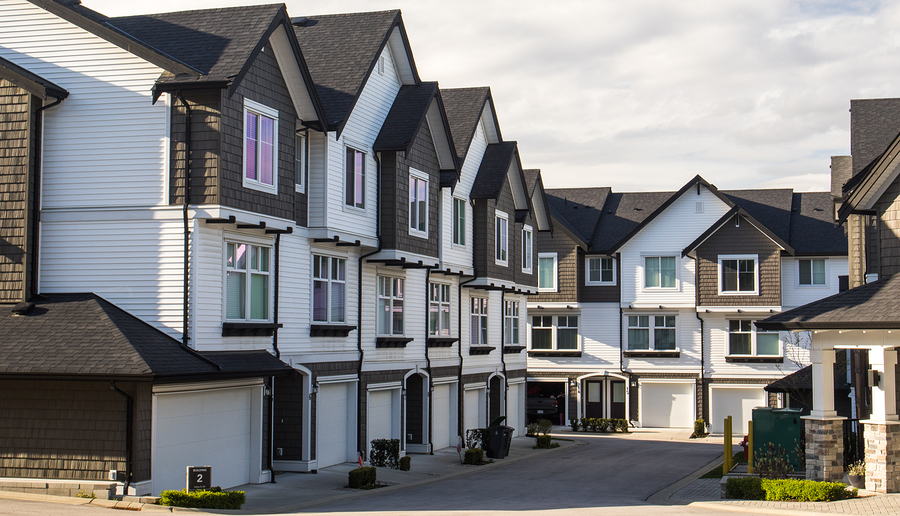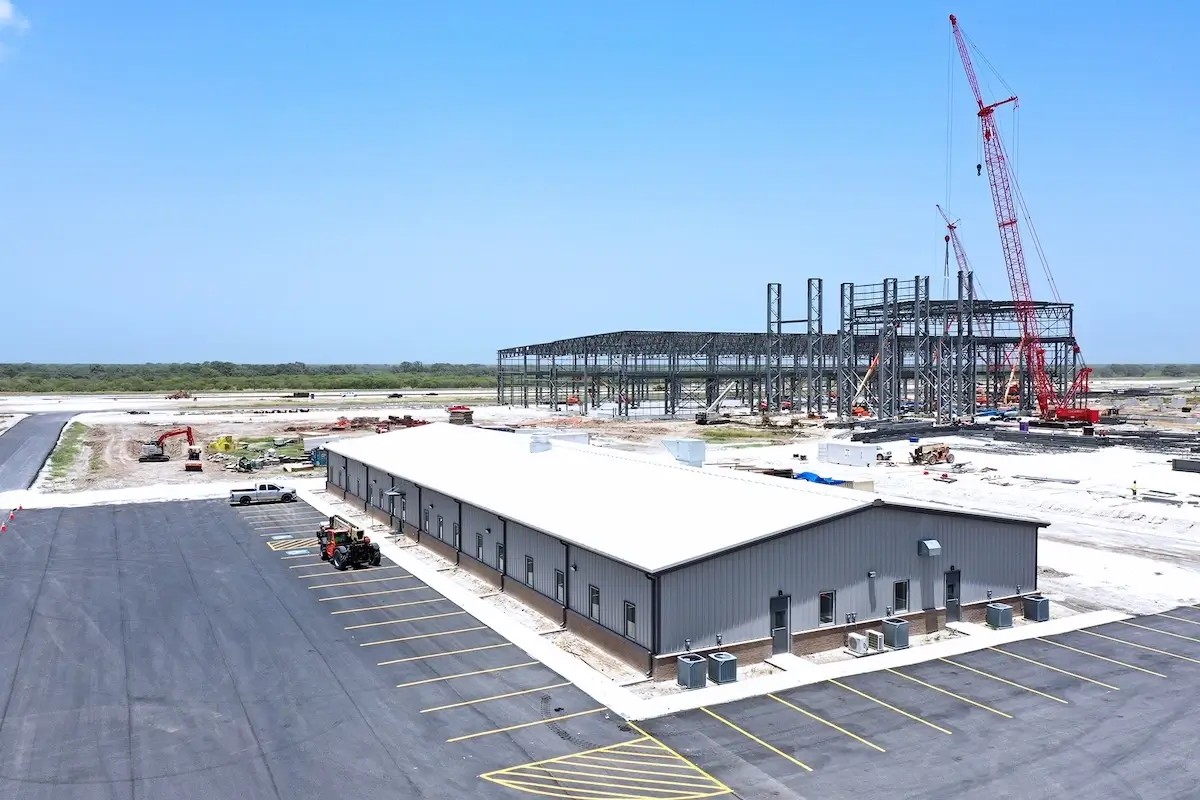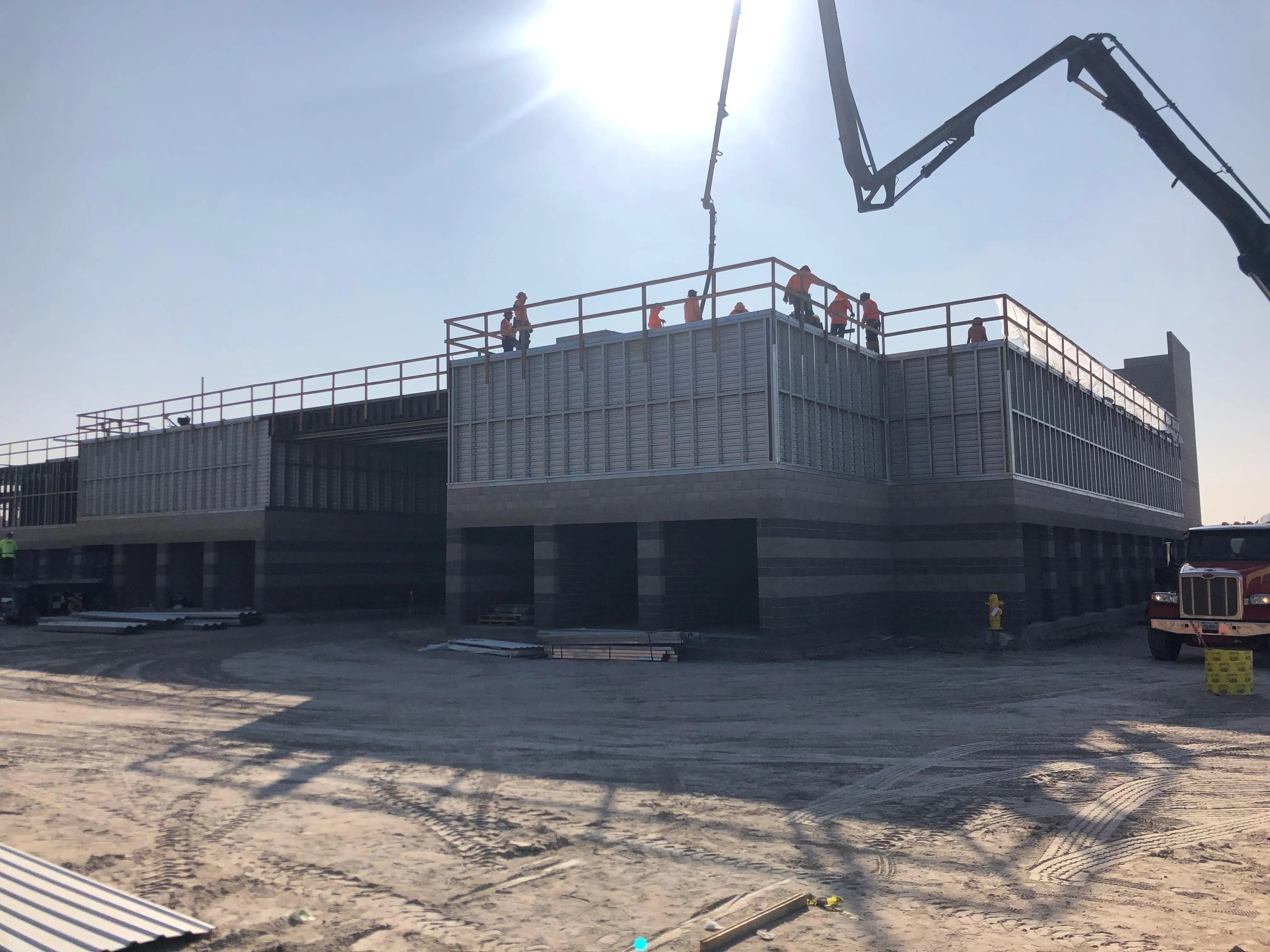
A land QOZ investment is often sold through a future picture: housing, industry, energy, or mixed use where little exists today. The tax rules do not turn that picture into present value. The project still needs legal access, utilities, entitlement, environmental clearance, funded carrying cost, a qualifying business or property path, and a buyer or operator at the end.
Raw or lightly improved land also creates a structural question. Land itself is not improved merely by a large development budget elsewhere; the project must establish original use, qualifying business property, and the basis and ownership of constructed assets under the actual structure.
Underwrite the parcel under current rights first. Every future step should have a decision maker, cost, date, and fallback.
Verify the tract and new designation
Record official zone, designation period, boundaries, acquisition, QOF investment dates, entity ownership, and rural status.
A tract eligible or nominated in 2026 is not necessarily a designated 2027 QOZ.
Establish current rights before future use
Review zoning, future land use, permitted activity, density, leases, restrictions, and nonconformities.
Value present rights before crediting rezoning, annexation, subdivision, or development agreements.
Confirm access as a recorded and physical fact
Review easements, curb cuts, roads, medians, grade, emergency access, off-site rights, and required improvements.
Road frontage is not usable access for every proposed project.
Turn utility proximity into service
Obtain water, sewer, storm, power, gas, broadband, capacity, connection, extension, district, cost, and delivery evidence.
A line across the road can lack capacity or legal connection.
Map environmental and natural constraints
Review historic use, contamination, wetlands, floodplain, drainage, habitat, cultural resources, dumping, fill, geotechnical conditions, and neighbors.
Match study and remediation to the intended development, not only current vacant use.
Resolve title, minerals, and assemblage
Review survey, boundaries, encroachments, easements, covenants, reversions, refusals, minerals, water, energy leases, and required neighboring parcels.
The fund cannot qualify or develop rights it does not own or control.
Build the entitlement sequence
Identify applications, agencies, hearings, studies, public improvements, agreements, appeals, and stakeholder issues. Assign cost and duration.
Separate sponsor tasks from government and third-party decisions.
Choose the qualifying development structure
Map QOF, business entities, land, constructed assets, original use, property acquisition, working capital, tangible property, income, and services with counsel.
A land purchase in a zone is not the completed tax strategy.
Control land and building basis
Support purchase allocation, land, demolition, site work, buildings, equipment, and soft costs. Maintain legal-owner ledgers.
Do not use gross project spend as proof of substantial improvement.
Coordinate working capital and approvals
Review written plan, schedule, designated cash, permits, utility milestones, financing, expenditures, and delays.
Entitlement uncertainty can outlast the plan. Build decision gates and fallback.
Price carrying cost before upside
Schedule taxes, assessments, insurance, security, maintenance, legal, studies, debt, fees, and public obligations through delay.
Non-income land can consume the cash needed to reach qualification or sale.
Treat interim income for what it is
Review agriculture, parking, storage, billboard, mineral, solar, or other leases for term, use, liability, termination, and conflict with development.
Temporary rent can reduce carry and constrain future use. Do not capitalize it as permanent.
Put debt behind the entitlement clock
Review rate, interest reserve, maturity, extensions, covenants, recourse, appraisal, cash controls, and guarantees.
Stress no rezoning, lower value, and a sale before approval.
Underwrite sponsor land execution
Review acquisitions, approvals, utilities, infrastructure, construction, sales, failed pursuits, lender negotiations, and reporting.
Match experience to raw, entitled, or shovel-ready stage.
Insure the parcel through changing use
Review liability, property, environmental, flood, wildfire, builder's risk, deductibles, exclusions, contractors, and lender requirements across vacant, site-work, and construction phases.
Coverage appropriate for raw land may not protect demolition, public work, or vertical construction. Bind each phase before activity begins.
Define community obligations as project scope
Document local hiring, infrastructure, affordable space, public access, remediation, relocation, design, or other commitments in approvals and agreements. Assign cost, timing, reporting, and remedies.
Do not present voluntary aspirations as guaranteed outcomes or omit binding obligations from the development budget.
Prepare a failed-entitlement response
Set decision dates for appeal, redesign, interim use, partner change, land sale, debt extension, and investor disclosure if approvals fail. Keep fund compliance and carrying cash in the response.
A fallback is credible only when the trust or business has legal authority and financing to execute it.
Trace fees and public incentives
List placement, acquisition, development, entitlement, financing, management, promote, grants, credits, reimbursements, and clawbacks.
Activity and time can generate fees before value is created.
Test the market for completed use
Define end users, tenants, residents, operators, rents or sales, absorption, competing sites, and buyer financing.
Zone designation and population need do not prove a customer at the project's price.
Maintain fund tests during the wait
Track 90 percent tests, subsidiary qualification, cash, land use, working capital, acquisition, construction assets, and Form 8996.
Entitlement delay does not suspend every compliance requirement.
Read offers for conditions
Review earnest money, due diligence, financing, zoning, utilities, assemblage, approvals, closing, and termination.
A long option is not a realized exit or proof of current value.
Plan investor inclusion and project liquidity
Review legacy or post-2026 gain inclusion, fund term, extensions, transfers, redemption, capital calls, distributions, tax-payment cash, and wind-down.
A land hold can exceed the tax illustration.
Approve land under an as-is exit
Model no approval, higher carry, debt pressure, lower land value, fund compliance, fees, and sale to an as-is buyer.
The investment works only if the project can survive without every public and market decision resolving favorably.
Bring the topic into a live decision
How a specialist reviews Land Opportunity Zone Investment
For Land Opportunity Zone Investment, connect the QOF structure to the actual operating engine. Review the customer or tenant, pricing, occupancy or utilization, expenses, insurance, taxes, recurring capital, construction or improvement work, debt, reserves, and exit buyer. Reconcile the project’s historical evidence with every assumption used to forecast cash flow and value. Zone status does not create demand or operating skill.
Then place Land Opportunity Zone Investment inside the investor’s broader plan. Test concentration by sponsor, geography, property type, lender, tenant base, and maturity. Consider the long holding period, limited transferability, possible capital needs, distribution variability, and the investor’s cash requirements. A project can be credible and still be the wrong fit for one investor’s liquidity or loss capacity.
Questions that deserve a direct answer
Which land operating factors control QOF underwriting?
Land inside a QOZ is not sufficient by itself; the investment and improvement structure must satisfy the governing QOF and QOZ property requirements. Entitlements, access, utilities, carrying cost, environmental condition, water, mineral rights, development timing, and realistic exit demand drive value. Identify the eligible gain, recognition date, contribution deadline, applicable statutory period, fund status, and property qualification before assigning value to the tax feature.
How does land compare with alternatives in QOF underwriting?
A land buyer should rank access, entitlements, utilities, water, environmental constraints, title exceptions, carrying cost, financing limits, mineral reservations, and credible exit demand. The analysis should then separate QOF eligibility from construction, leasing, operations, financing, and exit assumptions. Compare the QOF with a taxable investment and other available deferral routes using consistent assumptions for project execution, fees, liquidity, compliance, and exit value.
Which land records belong in QOF underwriting diligence?
Review survey, title exceptions, access, zoning, future land-use plans, utilities, wetlands, environmental records, water rights, mineral reservations, taxes, and development agreements, together with QOF structure, zone status, original-use or substantial-improvement analysis, development budget, fees, and compliance reporting. The file should connect fund documents and Form 8996 responsibility with tract status, property basis, improvement work, financing, operations, working capital, and testing dates.
Where can land risk be understated during QOF underwriting?
A parcel can satisfy like-kind rules and still be a poor replacement if it lacks access, utilities, entitlement probability, or a financeable exit plan. Stress the project without the tax benefit: construction delays, leasing weakness, cost overruns, compliance failures, refinancing pressure, and thin exit demand can still control the outcome.
Does DST ownership solve a constraint in the land decision?
A DST can be compared with a land QOF strategy as a distinct passive real-estate alternative when a qualifying 1031 exchange is available, but it does not provide the same program or project exposure. A DST or direct 1031 path is a separate real-property strategy with different eligible transactions, deadlines, assets, control rights, and liquidity; it is not interchangeable with a QOF.
Talk through Land Opportunity Zone Investment with a QOZ specialist.
Call (202) 410-7202 or request current Qualified Opportunity Fund information using the gain date, amount range, timing, and the question that needs an answer.